 Wednesday, October 07, 2026
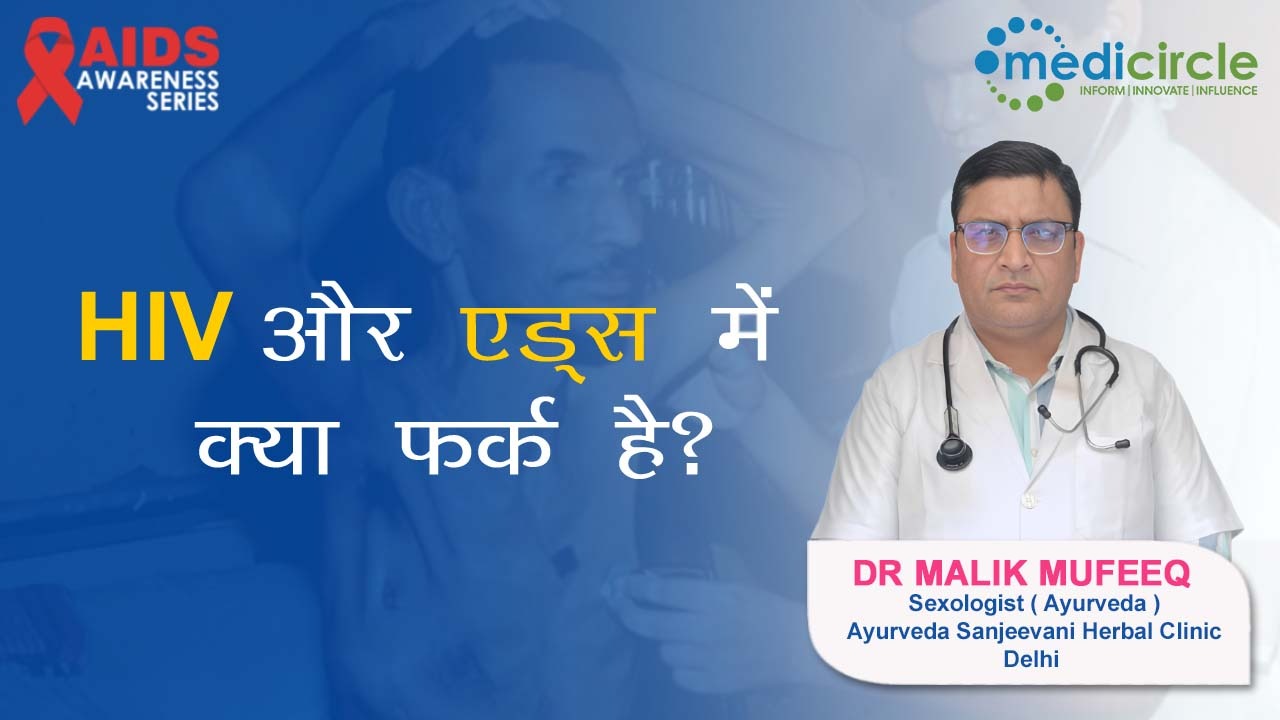
 According to the UNAIDS, there are 2.4 million living with HIV in India, and 70,000 of these are children. This means we still have parent-to-child transmission despite medicines. Data for 2022-23 showed 421 pregnant women were positive out of over 15 lakhs tested, indicating a positivity rate of 0.03%. Let’s hear what experts have to say.




Dr. Malik Mufeeq is a Sexologist and Ayurvedic Physician. And he is currently practicing at Ayurveda Sanjeevani Herbal Clinic, in New Delhi. For the past 19 years, he has worked as an Ayurveda Physician.
HIV (Human Immunodeficiency Virus) is an infection and AIDS (Acquired Immune Deficiency Virus) is the last stage of HIV infection. It takes 10-35 years to develop into AIDS which is fatal and life-threatening also.
A small percentage of people with HIV infection has been observed to possess the immune system that keeps the virus inside the body for years without showing symptoms. Thus, asymptomatic patients can live normal life without intervention. And study on these people can tell us different aspects of treatment and prevention of infection.
Innate and adaptive immune response
Dr. Malik says, “Researchers have observed that some people who have been infected for many years do not develop the disease. The innate immune system is the first line of defense against viruses and appears to play an important role. Adaptive immune responses reflected by B and T cells come into action. By increasing attention to the innate immune system and various immune cells, one can prevent infections from HIV.”
CD8 and T cells
Dr. Malik speaks, “The immune system is a very complex system of cells that act as a defense system against pathogens. In all these years of research, how immune cells behave when the virus enters the body is not fully understood. CD8 and T lymphocytes primarily act on HIV infection by killing HIV cells. They secrete factors that suppress the viral load without killing the HIV cells. Now these cells continue to function but without the production of the virus. It could be important as approaches aimed at enhancing immune antiviral response in the development of vaccines.”
When to give antiretroviral therapy?
Dr. Malik informs, “Antiretroviral therapy has been known to lower viral loads, reducing transmission and helping people live a relatively normal life with HIV. Often doctors prescribe these drugs upon diagnosis. But it has long-term side effects like kidney and liver disorders. If the patient is asymptomatic, prescribing ART is like giving chemotherapy forever. Future studies may very well indicate that toxicities will eventually result in many defects in individuals.”
“Other concerns like treatment as prevention in which healthcare professionals give antiretroviral drugs to HIV-negative people to substantially reduce their chances of infection. This treatment strategy is new but is unclear whether a lack of adherence because of the drug’s side effects like nausea and vomiting will affect the recognizing importance and success of ART.”
Strategies for HIV vaccine
Dr. Malik concludes, “Clinical trials have been performed to find better antibodies to neutralize the virus. Enhancing the antiviral response of cells, particularly those of innate immunity system also advocates further studies of individuals who have been highly exposed to HIV but are not infected.”
“A Berlin patient received a stem transplant from a donor who was genetically resistant to HIV. Some experts appreciated the pilot study involving genetic editing which could mimic the treatment useful for the Berlin patient and believe that enhancing the anti-HIV response of the immune system is significant. This strategy could bring persistent control of HIV as seen in healthy infected long-term survivors. In this case, viral replication and its potential detrimental effects would be avoided, essentially the infected individual will be functionally cured.”
(Edited by Renu Gupta)





.jpeg)


.jpg)
.jpg)
.jpg)
.jpg)
.jpg)
.jpg)


.jpg)
.jpg)
.jpg)
.jpg)
.jpg)
.jpg)

