 Wednesday, September 16, 2026
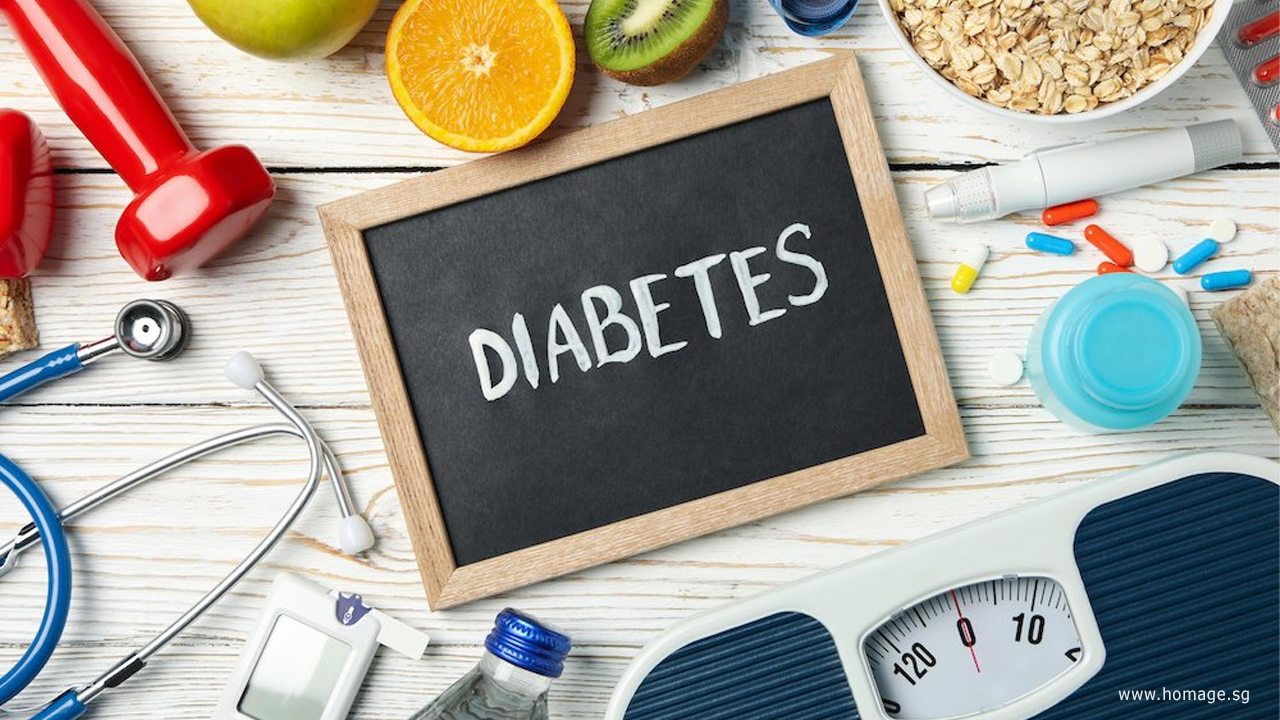
 Weight loss provides a variety of other health advantages as well as making blood glucose control easier for most people with type 2 diabetes. A diet for diabetes offers a well-planned, nourishing way to safely reach your goal if you need to lose weight.





Simple dietary guidelines for diabetes include eating the healthiest foods in reasonable portions and maintaining regular mealtimes.
A diabetes diet is a balanced, calorie- and fat-free eating regimen that is naturally high in nutrients. Fruits, vegetables, and whole grains are essential components.
Weight loss provides a variety of other health advantages as well as making blood glucose control easier for most people with type 2 diabetes. A diabetes diet offers a well-planned, nourishing way to safely reach your goal if you need to lose weight.
According to the World Health Organization, 90 percent of people with type 2 diabetes are overweight or obese. Some research indicates that the longer someone has a high body mass index, or BMI (a common measure of being overweight or obese), the greater their risk of developing type 2 diabetes. Fat tissues are active, releasing and responding to hormones that increase the risk of metabolic syndrome, which can include diabetes. But losing even 10 to 15 pounds can make a big difference in improving your health and blood sugar levels.
Foods to be consumed when having diabetes type 2
Make your calories count with these nutritious foods. Choose healthy carbohydrates, fiber-rich foods, fish, and "good" fats.
Healthy carbohydrates
Simple carbohydrates like sugars and complex carbohydrates like starches are broken down during digestion to produce blood glucose. Concentrate on wholesome carbohydrates, such as:
- Fruits
- Vegetables
- Whole grains
- Legumes, such as beans and peas
- Low-fat dairy products, such as milk and cheese
Stay away from less healthy carbohydrates like those found in foods and beverages that have extra fat, sugar, or sodium.
Foods high in fiber
All plant food components that your body cannot digest or absorb are considered to be dietary fiber. Your body's digestion is moderated by fiber, which also helps to regulate blood sugar levels. Foods high in fiber include:
- Vegetables
- Fruits
- Nuts
- Legumes, such as beans and peas
- Whole grains
Healthy fish
Eat fish that is good for your heart at least twice a week. Omega-3 fatty acids, which are abundant in fish like salmon, mackerel, tuna, and sardines, may prevent heart disease.
Steer clear of fried fish and fish that contain a lot of mercury, like king mackerel.
Healthy fats
Monounsaturated and polyunsaturated fatty acid-rich foods can aid in lowering your cholesterol levels.
- Avocados
- Nuts
- Canola, olive and peanut oilsBut don't overdo it, as all fats are high in calories.As all fats are high in calories, however, don't go overboard.
Prohibited foods for diabetes type 2
Diabetes type 2 increases your risk of heart disease and stroke by accelerating the development of clogged and hardened arteries. Foods containing the following can work against your goal of a heart-healthy diet.
- Saturated fats. Avoid high-fat dairy products and animal proteins such as butter, beef, hot dogs, sausage and bacon. Also limit coconut and palm kernel oils.
- Trans fats. Avoid trans fats found in processed snacks, baked goods, shortening and stick margarines.
- Cholesterol. Cholesterol sources include high-fat dairy products and high-fat animal proteins, egg yolks, liver, and other organ meats. Aim for no more than 200 milligrams (mg) of cholesterol a day.
- Sodium. Aim for less than 2,300 mg of sodium a day. Your doctor may suggest you aim for even less if you have high blood pressure.
Weight loss tip for success while dealing with diabetes type 2
- Set small and realistic goals
- Get active
- Schedule your meals, including breakfast
- Cut calories
- Feast on fiber
- Keep track of your goals and progress
Making healthy food selections and keeping track of your eating patterns can help you keep your blood glucose levels within a safe range.





.jpeg)


.jpg)
.jpg)
.jpg)
.jpg)


